 Reviews


 Proudly American


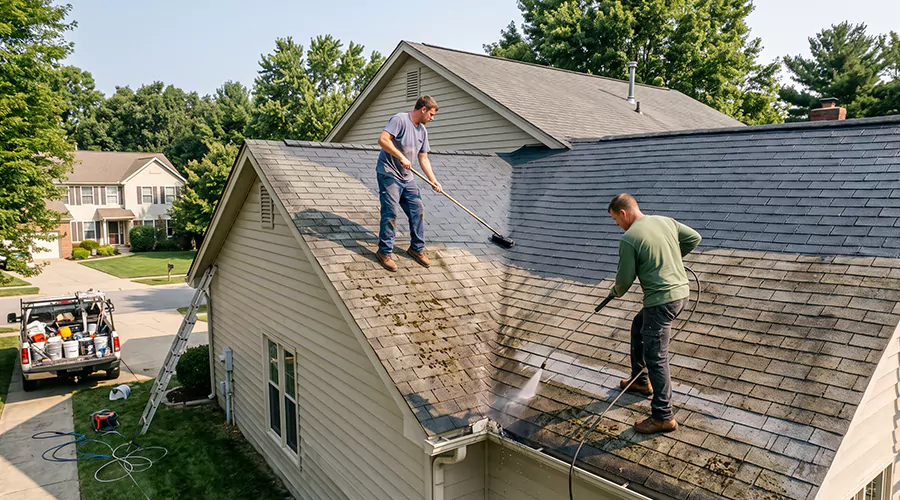
Roof restoration commonly adds about 5 to 15 years of usable service life when the existing roof remains structurally sound and the work is performed on a suitable system. Mold damage restoration may be needed when roof leaks create moisture conditions that lead to mold growth inside the building. Some restored metal systems can last longer between major treatments, while poor preparation or unresolved leaks can shorten the result considerably.
The lifespan refers to the added service period after restoration. It does not mean every restored roof automatically becomes a new roof.
What is the Typical Lifespan After Restoration?
A properly restored residential roof can often remain serviceable for another 5 to 15 years. The actual period depends on the roofing material and the condition before work started.
| Roof Condition or System | Typical Added Service Period |
|---|---|
| General restoration | About 5 to 15 years |
| Sound tile roof with repairs | Often around 5 to 15 years |
| Coated metal roof system | Often around 10 to 20 years |
| Roof with recurring leaks | Potentially much shorter |
| Roof with structural failure | Poor restoration candidate |
These ranges are planning estimates rather than guarantees.
Roof restoration lasts longest when deterioration has not already reached the supporting structure.
What Factors Affect How Long Restoration Lasts?
The condition of the roof before work begins has the strongest effect. A sound roof with surface wear gives the restoration system a stable base. A roof with hidden deck damage can fail again much sooner.
Major factors include:
- Roofing material
- Existing roof condition
- Quality of surface preparation
- Amount of repair work
- Drainage performance
- Local weather exposure
- Coating compatibility
- Ongoing maintenance
- Amount of foot traffic
- Recurring moisture problems
A coating cannot make weak underlying material structurally sound.
How Long Does Tile Roof Restoration Last?
Tile roof restoration can provide another 5 to 15 years before major restoration work is needed when the tiles and supporting roof system remain in good condition. Individual roof tiles themselves can last much longer, so the restoration interval often relates to other components.
The service period may depend on:
- Condition of underlayment
- Broken tile frequency
- Flashing condition
- Ridge materials
- Previous repairs
- Water entry history
Restoring surface appearance does not renew old underlayment automatically.
That distinction matters because an older tile roof may look refreshed while concealed waterproofing remains closer to the end of its service life.
How Long Does Metal Roof Restoration Last?
Metal roof restoration can often add roughly 10 to 20 years when corrosion is limited and the coating system is compatible with the existing panels. Some systems can later receive another maintenance coating instead of complete replacement.
Service life falls when:
- Rust has deeply weakened the panels.
- Seams continue moving.
- Fasteners remain loose.
- Drainage problems continue.
- Coating thickness is inadequate.
- Surface preparation was poor.
Localized rust should be corrected before the entire roof receives a protective treatment.
Does Roof Coating Last as Long as the Roof?
No. A coating is a renewable protective layer rather than the entire roof structure. It can wear before the roof covering itself reaches the end of its life.
Many coating systems have expected service periods around 10 to 20 years depending on product type and application. Maintenance or recoating may then extend protection.
A coating that begins peeling after only a short period can indicate poor bonding or moisture below the surface.
Can Restoration Last Less Than Five Years?
Yes. Premature failure can happen when restoration is applied to a roof that was already too damaged.
Warning signs include:
- Leaks return within a short period.
- New coating begins peeling.
- Cracks reopen.
- Rust appears through repaired areas.
- Tiles continue breaking in large numbers.
- Interior water stains reappear.
- Sections begin sagging.
- Seams repeatedly reopen.
These problems deserve investigation rather than another surface coating.
How Does Maintenance Affect Restoration Life?
Routine maintenance helps small defects get corrected before they damage a larger restored area. Inspection is especially useful after major storms or severe weather.
A practical maintenance schedule is:
| Maintenance Task | Suggested Frequency |
|---|---|
| Visual roof check | Twice per year |
| Storm inspection | After major weather events |
| Gutter cleaning | As debris builds |
| Flashing check | At least annually |
| Interior leak check | After heavy rain |
| Coating condition check | During routine roof inspection |
Do not climb onto an unsafe roof to follow this schedule. Many observations can be made from the ground or attic.
When Does Restoration Stop Making Financial Sense?
Restoration becomes less attractive when repeated repairs begin approaching the cost of more permanent replacement work. Roof restoration cost should be considered together with the likely added service life rather than as a stand-alone number.
For example, a low-cost restoration expected to last only three years may provide less value than a more complete repair expected to provide another decade.
Replacement deserves consideration when:
- Structural decking is deteriorated.
- Large roof areas have failed.
- Major leaks keep returning.
- The roof has been restored several times.
- Supporting components need widespread repair.
What Can You Check Yourself?
A simple annual condition record can show whether restoration is aging normally or deteriorating too quickly.
Use this process:
- Photograph the roof from the same safe location.
- Record new stains inside the attic.
- Note any new leaks.
- Check for visible coating changes.
- Watch for broken roofing pieces.
- Compare conditions every six months.
Consistent photographs make gradual deterioration easier to notice.
When Should You Call a Professional?
Professional assessment is useful when problems return well before the expected restoration period. A leak may come from flashing or another component rather than failure of the restored surface itself.
Consider professional help when:
- Leaks return soon after restoration.
- Coating peels across large areas.
- Roof sections begin sagging.
- Corrosion returns rapidly.
- Many tiles loosen.
- Decking feels soft.
- The cause of failure is unclear.
An inspection can identify whether localized repair or another restoration cycle is reasonable.
How Can You Make Restoration Last Longer?
The best way to extend service life is to keep water moving off the roof and correct small defects before they spread.
Useful habits include:
- Keep drainage paths clear.
- Repair damaged flashing promptly.
- Replace isolated broken tiles.
- Treat early metal corrosion.
- Limit unnecessary roof traffic.
- Inspect after severe storms.
- Follow coating maintenance requirements.
Conclusion
Roof restoration commonly provides about 5 to 15 additional years when the existing roof is stable and properly prepared. Metal coating systems can sometimes provide 10 to 20 years between major treatments. Actual life depends heavily on moisture control and maintenance after the work. Track leaks and surface changes each year. If major problems return much earlier than expected, professional inspection can identify why the restoration is failing.
Frequently Asked Questions
Can roof restoration last 15 years?
Yes. A suitable roof can often gain around 5 to 15 years after well-planned restoration.
Can restored metal roofing last longer?
Some coating-based metal restorations can provide around 10 to 20 years before another major treatment is needed.
Does a restored roof last as long as a new roof?
Usually not. Restoration extends the existing roof rather than resetting every component to new condition.
Can a roof be restored more than once?
Sometimes. Another restoration may be possible if the roof remains structurally suitable when the previous treatment reaches the end of its service life.
What shortens restoration lifespan the most?
Unresolved leaks or poor preparation can greatly reduce service life. Structural deterioration also makes restoration less effective.
How often should a restored roof be inspected?
Twice a year is a useful general schedule, with another check after major storms.